English
 عربى
عربى
 Bahasa Melayu
Inquiry
Inquiry
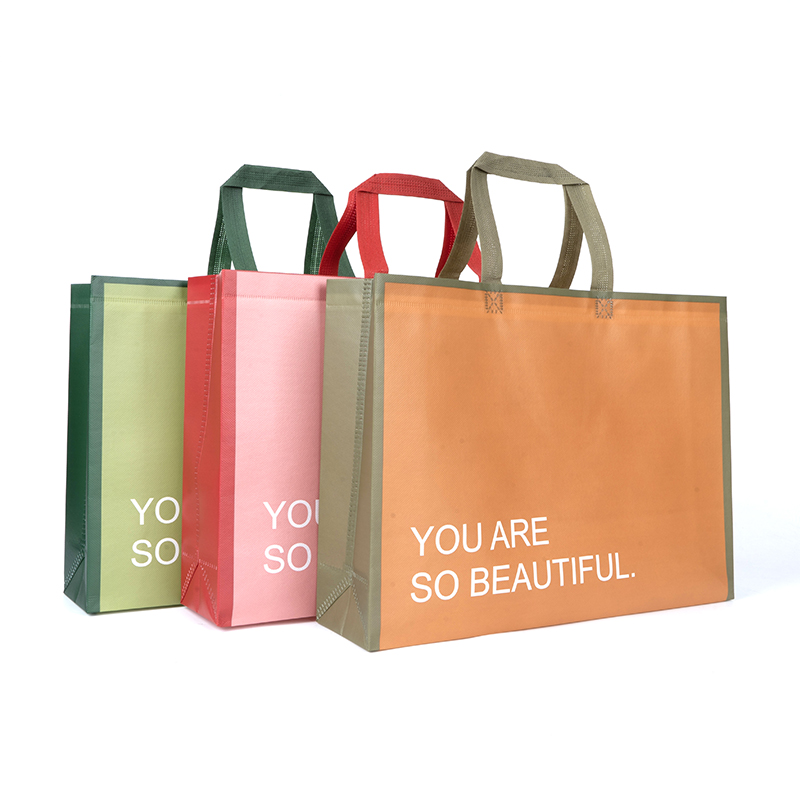
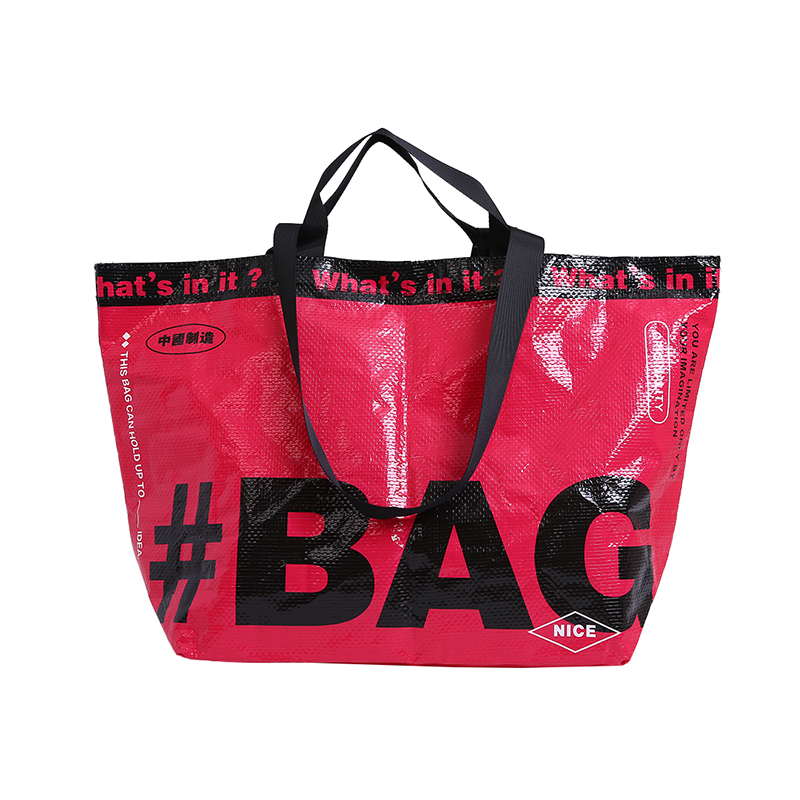
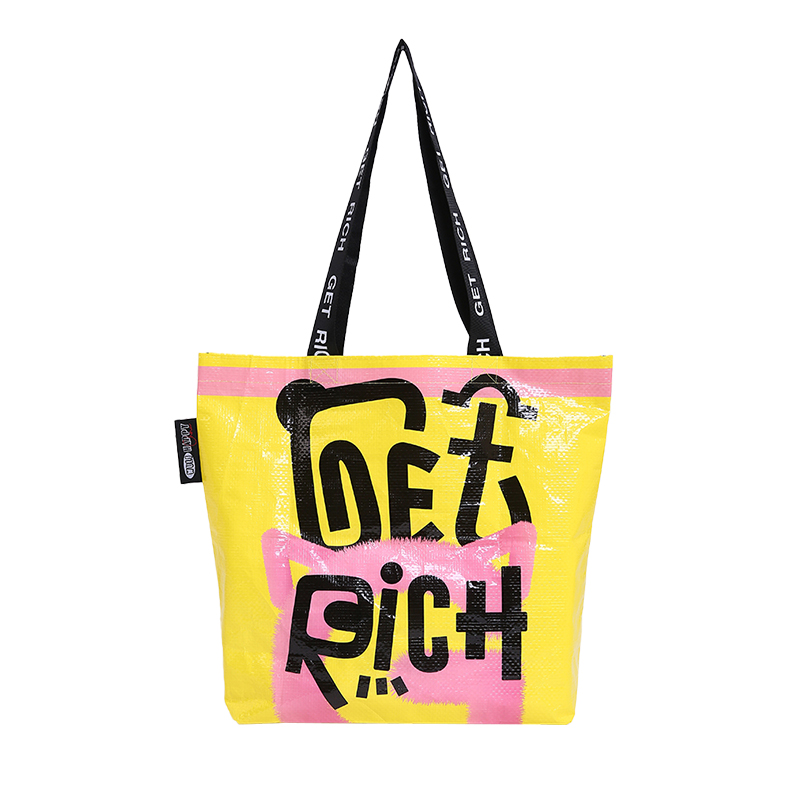
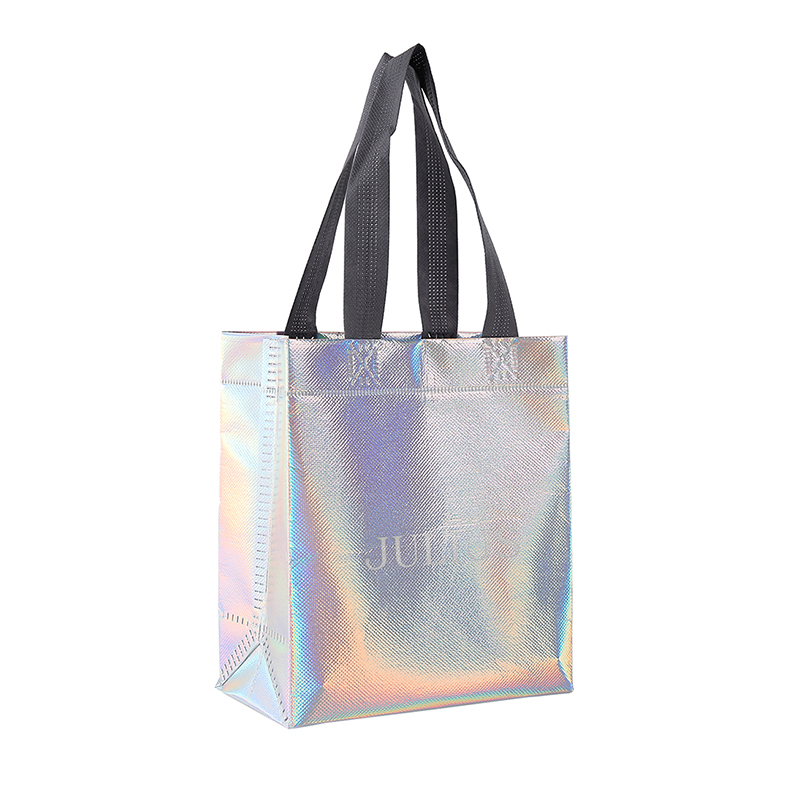
As society grows increasingly aware of environmental concerns, the Non Woven Bag Factory has become a quiet but important player in promoting practical, reusable solutions. Non woven bags, made from durable polypropylene fabrics, are now part of daily routines—from grocery shopping to promotional events. Factories producing these items are not only shaping the material but also influencing how people integrate eco-friendly habits into their lives.
Non woven bags have shifted from being simple promotional giveaways to versatile tools for organization and shopping. Unlike single-use plastic, these bags offer durability and reusability without compromising affordability. A Non Woven Bag Factory now focuses on balancing strength, weight, and flexibility to create products suitable for multiple scenarios.
This change reflects a broader trend: consumers prefer items that can serve various functions while requiring minimal environmental impact.
To appreciate the work behind non woven bags, it helps to look at the typical process inside a Non Woven Bag Factory:
|
Stage |
Description | Purpose |
|
Raw material preparation |
Polypropylene granules are melted and spun | Create the base non woven fabric |
|
Fabric bonding |
Heat or chemical bonding forms the sheet | Ensure consistent strength and texture |
|
Cutting & printing |
Shapes are cut and logos or designs printed | Adapt fabric for user and marketing needs |
|
Sewing & finishing |
Handles, pockets, and edges added | Complete functional and attractive bags |
Each stage allows the factory to make adjustments for durability, appearance, and practical usability.
While the fabric itself is important, modern Non Woven Bag Factory teams are exploring ways to make products more adaptable and convenient. Some notable developments include:
● Foldable and Collapsible Designs
These allow bags to be stored easily when not in use, encouraging consistent reuse.
● Multi-Pocket Layouts
Organized compartments make a bag suitable for groceries, office supplies, or travel items.
● Custom Prints and Branding
Businesses often request logos or promotional graphics, turning a simple bag into a marketing tool while keeping environmental impact low.
Such enhancements make non woven bags appealing to a wider audience, blending function with style.
Factories producing non woven bags contribute to eco-friendly practices by focusing on:
This approach ensures that each bag can be reused multiple times, lowering the reliance on disposable packaging.
A modern Non Woven Bag Factory often observes how consumers interact with their products to inspire design improvements. Common scenarios include:
By focusing on real-life usage patterns, factories create bags that people can depend on in multiple contexts.
Looking ahead, Non Woven Bag Factory innovations are likely to emphasize versatility and environmental impact:
These developments continue to make non woven bags relevant in everyday routines while supporting sustainable habits.
The Non Woven Bag Factory demonstrates how simple products can influence lifestyle and environmental choices. By focusing on durable materials, practical designs, and efficient production, these factories enable everyday sustainability without requiring drastic behavior changes. Non woven bags serve as a bridge between convenience and conscious consumption, proving that small, thoughtful innovations can create a meaningful impact.
Join Us
For 12 years, we have focused on the production and manufacturing of handbags, constantly innovating and researching.
Seed Message
Megalith

China Insulation Bags