English
 عربى
عربى
 Bahasa Melayu
Inquiry
Inquiry
Thermal bags have become an essential solution for carrying food, beverages, and temperature-sensitive items safely. Behind these everyday products is a Thermal Bag Factory, where design, material selection, and assembly come together to produce functional, durable, and reliable bags. Understanding how a factory operates can help businesses, retailers, and buyers make informed decisions when sourcing thermal bags in bulk or for specific markets.
A Thermal Bag Factory oversees the entire production process, from raw material procurement to the final quality check. This includes cutting fabrics, layering insulation materials, stitching seams, adding closures such as zippers or Velcro, and ensuring that handles or straps are sturdy. Centralizing these steps in a factory helps maintain consistency across each batch, which is important for retailers or distributors who need uniform products.
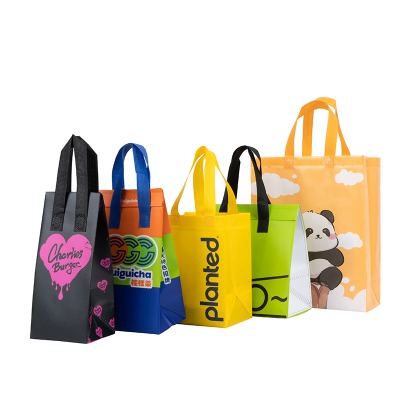
Many factories also provide customization services. These can range from choosing bag colors, adding brand logos, or creating specialized compartments for bottles, food containers, or ice packs. For businesses seeking private-label products, the factory's expertise ensures that custom requests are implemented accurately and efficiently.
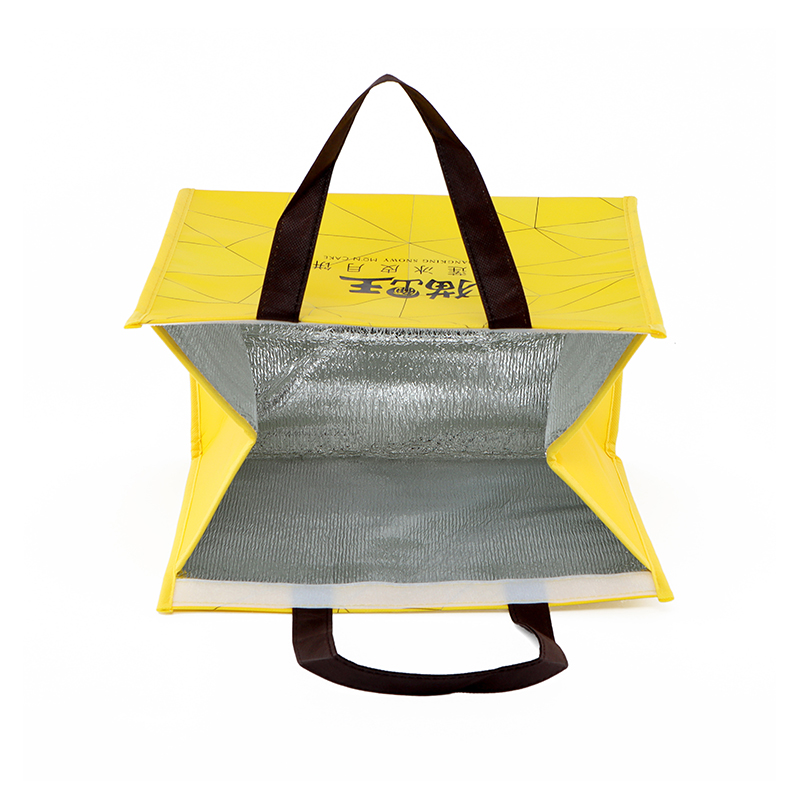
Material choice plays a key role in thermal bag performance. A Thermal Bag Factory typically works with durable outer fabrics like polyester, nylon, or canvas, combined with insulating layers such as aluminum foil or foam. The thickness of the insulation is balanced against weight and flexibility, allowing bags to remain portable while maintaining temperature control.
Additional features like water-resistant exteriors, heat-reflective layers, and easy-to-clean interiors can improve usability. By carefully selecting and combining these materials, factories produce bags that can be used in diverse settings, from grocery shopping and meal delivery to outdoor activities and office lunches.
Modern factories employ specialized machinery to assemble thermal bags efficiently. Automated cutting tools, sewing machines, and heat-sealing equipment allow precise and uniform production. Attention to detail—such as reinforced stitching, secure zippers, and consistent insulation coverage—ensures that each bag meets the expected quality standards.
Some factories also perform test runs on small batches before full production to check durability, insulation effectiveness, and seam strength. This step helps prevent defects and supports customer satisfaction.
Quality control is an essential part of a Thermal Bag Factory's operation. Inspections may include checking seams, verifying insulation performance, and testing closures for smooth operation. Additional measures, like load testing handles and verifying dimensions, ensure that bags are functional for practical use. By maintaining consistent standards, the factory helps clients reduce returns or complaints.
Flexibility is another benefit of working with a Thermal Bag Factory. Factories can adjust bag dimensions, materials, and design features based on order size or specific market needs. Small businesses and large distributors alike can benefit from this adaptability, which allows them to maintain brand identity and meet customer expectations.
Establishing a relationship with a reliable Thermal Bag Factory can provide long-term benefits. Ongoing collaboration allows businesses to plan seasonal or promotional orders efficiently, maintain consistent quality, and explore new material options. Working directly with a factory reduces reliance on intermediaries, shortens times, and gives businesses greater control over product specifications.
In addition, some factories offer support in packaging design, labeling, or compliance with safety and material standards. These services add value for buyers who want ready-to-sell products without additional processing.
Ultimately, a Thermal Bag Factory produces more than just insulated bags—it provides a practical solution for modern lifestyles. From transporting groceries and lunches to supporting delivery services and outdoor activities, these bags are designed to keep items at stable temperatures while remaining portable and convenient. By combining material expertise, production experience, and quality control, a thermal bag factory supports businesses and end users alike with reliable, functional products.
Join Us
For 12 years, we have focused on the production and manufacturing of handbags, constantly innovating and researching.
Seed Message
Megalith

China Insulation Bags