English
 عربى
عربى
 Bahasa Melayu
Inquiry
Inquiry
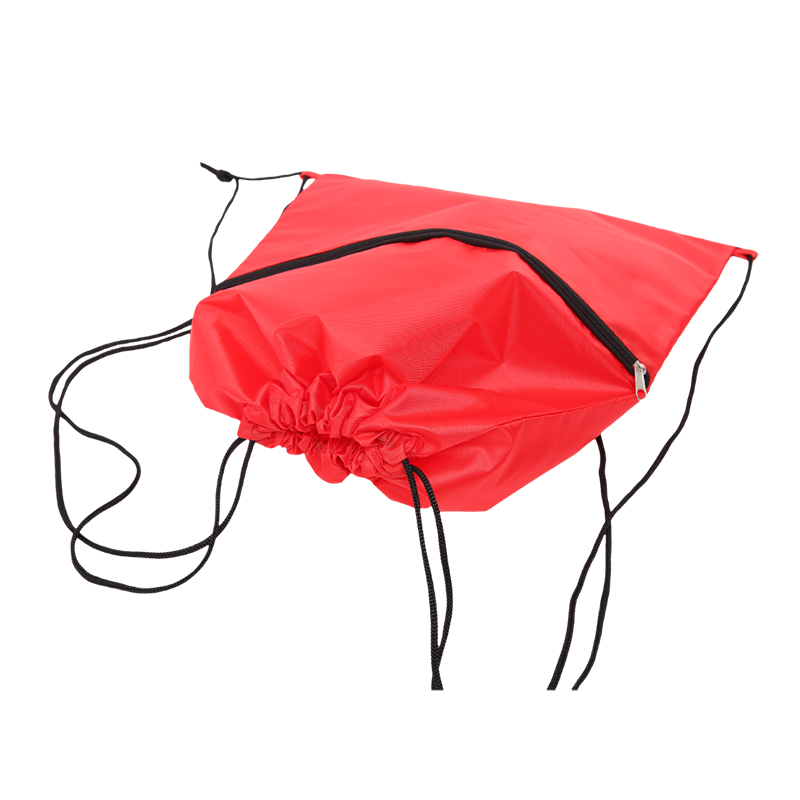
In recent years, the Drawstring Bag Factory has moved beyond simply producing casual bags to becoming a hub for practical, versatile, and eco-conscious designs. Drawstring bags are now more than a convenient carry-all—they are used in daily routines, sports, travel, and promotional events. This article explores how drawstring bag factories adapt to changing consumer expectations, materials, and design trends.
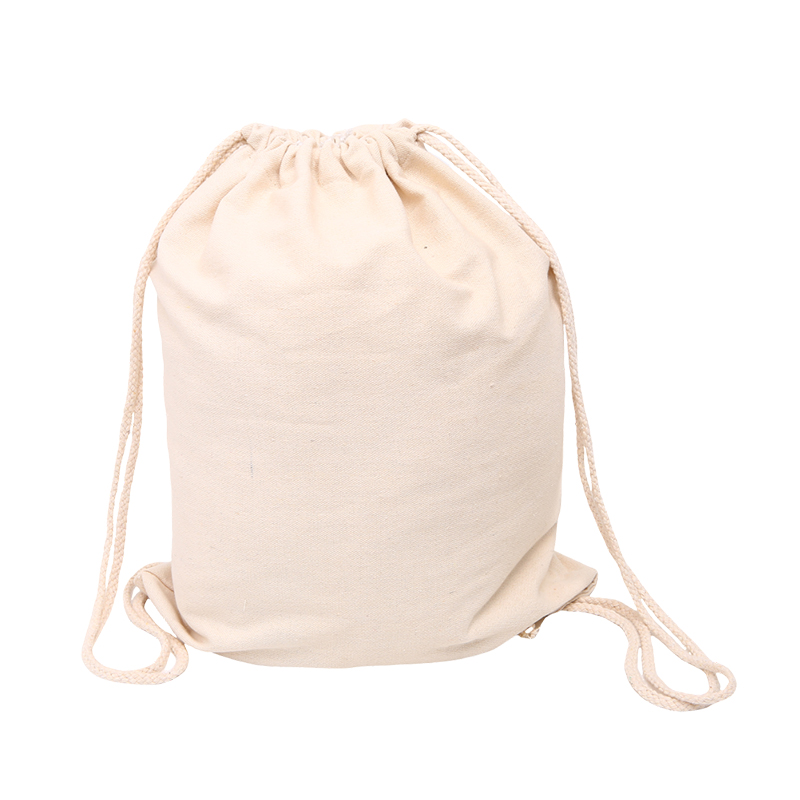
Drawstring bags are prized for their simplicity, portability, and adaptability. They appeal to a wide range of users: students carry books, athletes pack sports gear, travelers store essentials, and businesses use them for giveaways.
A Drawstring Bag Factory today goes beyond creating visually appealing products. Factors like durability, ease of access, and comfort are now central to design. Lightweight bags that can fold for storage make them convenient for modern, mobile lifestyles. Many users also value the ability to quickly clean or maintain the bag, which further encourages factories to choose materials and stitching techniques that support long-term use.
Material selection plays a key role in durability, weight, and purpose. Different materials suit different user needs:
|
Material |
Features | Typical Uses |
| Nylon | Lightweight, water-resistant |
Gym bags, travel pouches |
| Polyester | Durable, holds shape |
Promotional bags, school bags |
| Canvas | Sturdy, natural texture |
Daily casual use |
| Non-woven | Cost-effective, eco-friendly |
Event giveaways, lightweight storage |
The Drawstring Bag Factory often balances cost, usability, and environmental considerations when choosing fabrics for each product line. Fabric thickness, weave density, and coating options can all influence how long a bag lasts under repeated use, especially for heavier items.
Modern drawstring bags have moved past a single-compartment layout. Factories now focus on functional improvements:
These updates ensure drawstring bags remain practical while maintaining a simple and user-friendly design.
Environmental awareness has changed production methods in many drawstring bag factories. Key approaches include:
These measures enhance the product’s appeal for eco-conscious consumers without significantly raising production costs. Some factories even encourage users to return worn bags for recycling or repurposing, creating a small but meaningful circular process.
Many Drawstring Bag Factory operations now accommodate both large promotional campaigns and smaller custom orders. Flexible production allows for:
This adaptability helps factories meet varied client needs while maintaining efficiency. Factories that can quickly switch between large-scale and small-batch orders tend to be more responsive to market trends and seasonal demand.
Drawstring bags have gained traction in several new areas:
The modern Drawstring Bag Factory supports these diverse applications through thoughtful design, material selection, and production strategies. By considering how users interact with the bag in multiple scenarios, factories are able to create products that are both functional and visually appealing.
How is the Drawstring Bag Factory reshaping the way we carry our belongings? By combining practical design, flexible production, and eco-conscious materials, these factories produce bags that are functional, convenient, and adaptable to various lifestyles. Today, the drawstring bag has become a versatile everyday companion, reflecting both changing consumer needs and sustainable practices. With ongoing innovation in materials, design, and production efficiency, the role of the factory extends beyond manufacturing—it helps shape modern carrying habits in subtle but meaningful ways.
Join Us
For 12 years, we have focused on the production and manufacturing of handbags, constantly innovating and researching.
Seed Message
Megalith

China Insulation Bags