English
 عربى
عربى
 Bahasa Melayu
Inquiry
Inquiry
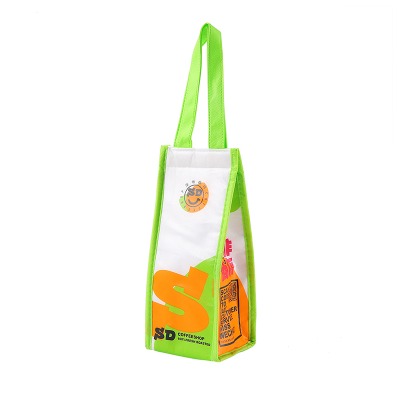
As food delivery, outdoor recreation, and flexible work schedules become part of daily life, people rely more on products that help keep meals, groceries, and medical supplies at stable temperatures. At the center of this shift is the modern Thermal Bag Factory, where everyday habits influence design, materials, and production choices. This article explores how these factories adapt to new lifestyles and expectations while keeping the product practical and approachable.
Many people now carry drinks, lunch, or groceries with them throughout the day. Temperature control is no longer something required only for picnics or long trips. A well-made thermal bag helps reduce food waste, encourages healthier eating, and keeps daily routines more flexible.
The Thermal Bag Factory pays close attention to these changing habits. Instead of creating bags only for food storage, factories consider how users carry items during commuting, working from shared spaces, or spending more time outdoors.
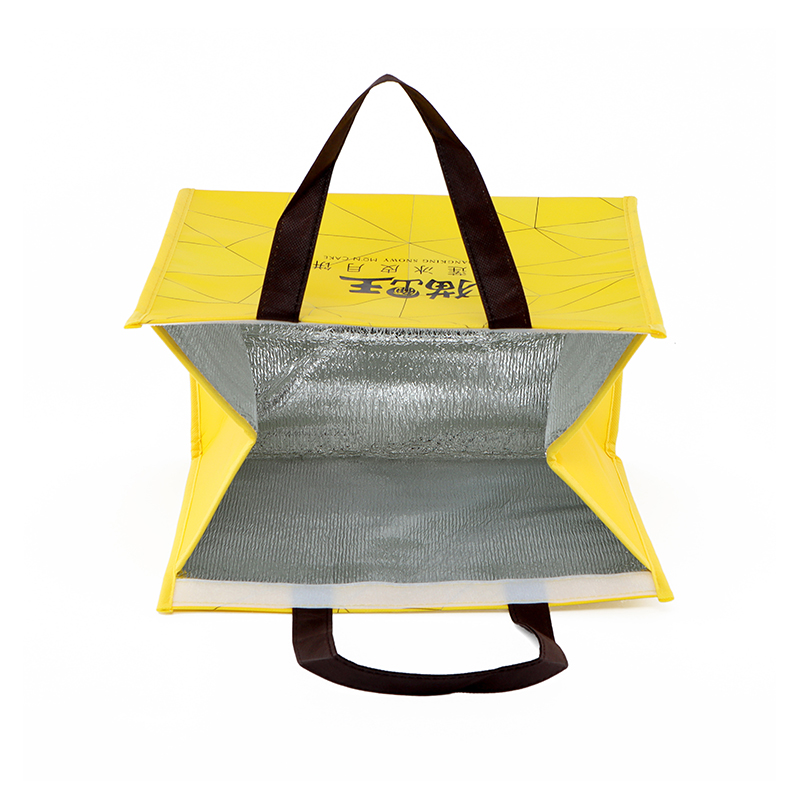
Temperature retention relies on more than thick insulation. Factories adjust layered structures, surface materials, and sealing methods to handle different scenarios.
A simplified breakdown is shown below:
|
Layer |
Role | Common Materials |
|
Outer layer |
Protects against wear and weather | Oxford cloth, non-woven fabric |
|
Middle insulation |
Maintains temperature | Pearl cotton, EPE foam |
|
Inner lining |
Direct food contact, easy cleaning | Aluminum foil, PEVA |
This layered approach helps the Thermal Bag Factory create bags that keep cold drinks cool or warm meals steady for everyday use.
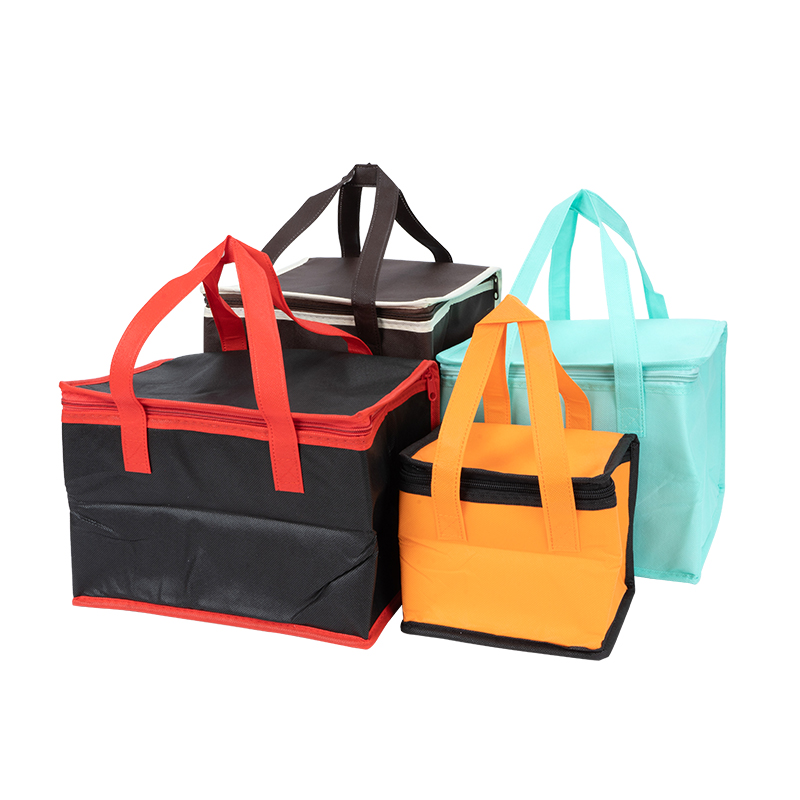
Thermal bags are used by office workers, delivery riders, parents, and travelers. To meet these needs, factories experiment with features such as:
● Flat-fold designs
When not in use, fold-flat structures save space at home or in the office.
● Double zippers
These allow quick access, handy for people who open the bag frequently during delivery or travel.
● Separated compartments
Useful for keeping hot and cold items apart or separating food from utensils.
● Leak-resistant linings
A practical upgrade for soups, ice packs, or chilled drinks.
Each detail reflects how a Thermal Bag Factory studies real use habits before finalizing new designs.
While household meals remain important, new demand areas are emerging:
These scenarios encourage creative experimentation. Some factories develop modular inner boxes or removable cooling panels, making the thermal bag more versatile without complicating the design.
Sustainability plays an increasing role in the industry. The Thermal Bag Factory introduces small but meaningful adjustments:
Recycled Outer Fabrics
Recycled polyester or blended textile options reduce waste while keeping the bag functional.
Reusable Packaging
Instead of plastic wraps, some bags come in simple, foldable sleeves that users can repurpose.
Durable Stitching and Zipper Systems
These upgrades extend product lifespan, helping users rely on a single bag for multiple seasons.
Although small in appearance, these choices support long-term habits toward reduced disposable packaging.
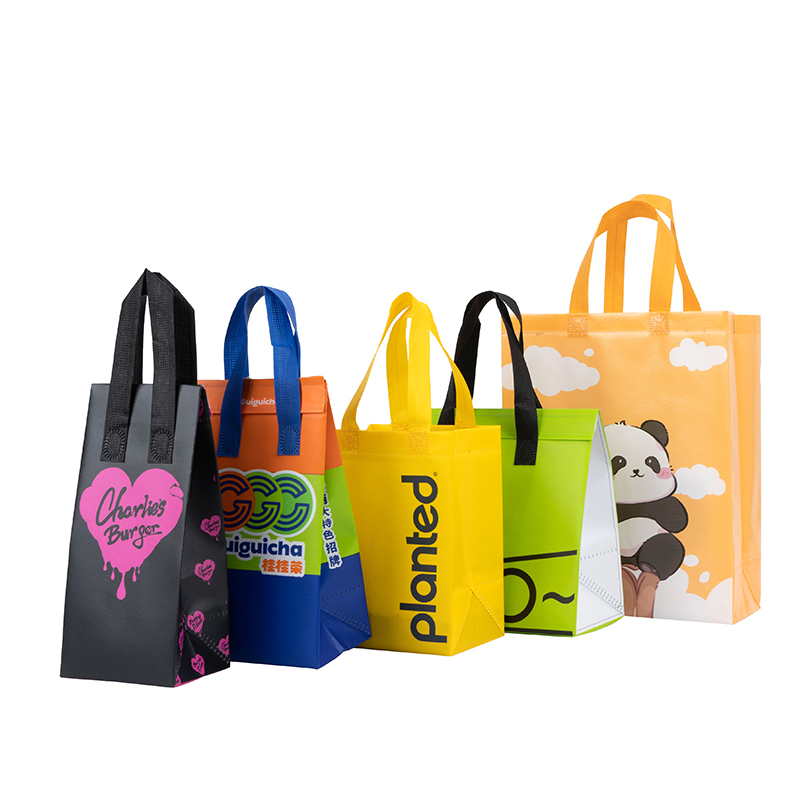
Thermal bags have quietly become a branding tool. Small cafés, meal-prep companies, and local food shops often request customized prints and sizes. Factories now support flexible order quantities, different color combinations, and branding-friendly surfaces.
This allows businesses to offer practical giveaways or packaging that customers will reuse, strengthening the role of the Thermal Bag Factory in both function and visual identity.
Future developments may include removable dividers, fold-out trays, or lightweight insulation that fits into compact carriers. Rather than dramatic designs, steady, user-focused improvements will continue to shape the next generation of thermal bags.
The modern Thermal Bag Factory is more than a production site—it is a place where everyday lifestyle changes inspire new materials, thoughtful structures, and practical upgrades. With a stronger focus on adaptability, sustainability, and user comfort, thermal bags continue to support temperature-sensitive routines in simple but meaningful ways.
Join Us
For 12 years, we have focused on the production and manufacturing of handbags, constantly innovating and researching.
Seed Message
Megalith

China Insulation Bags