English
 عربى
عربى
 Bahasa Melayu
Inquiry
Inquiry
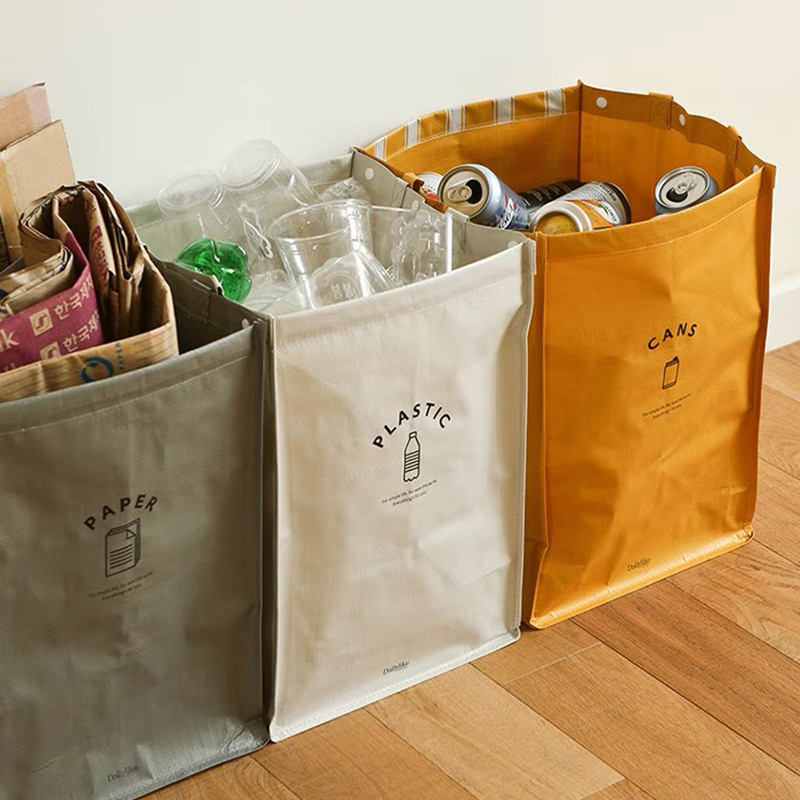
In recent years, the Storage Bag Factory has transformed from a simple manufacturing site into a hub of creativity and practical innovation. As daily routines shift toward flexible living, people rely more on smart organization solutions that adapt to work, travel, and home environments. This article looks at how the modern Storage Bag Factory reshapes everyday habits through new design ideas, eco-friendly thinking, and versatile production methods.
Life in many cities is becoming faster and more mobile. People switch between commuting, exercising, traveling, and working from home within a single day. This creates a strong demand for bags that do more than just “hold things.”
A Storage Bag Factory today approaches design with a lifestyle mindset. Instead of focusing only on capacity, factories consider how users sort items, how often the bags are opened, and how they are stored when not in use. This shift has encouraged producers to explore flexible fabrics, foldable structures, and modular compartments.
Storage bags now take on roles in multiple scenarios—from kitchen organization to sports gear packing. Many factories categorize products based on user behavior rather than product type.
Below is a simplified way some teams classify their development priorities:
| Scenario | Key Design Focus | Common Materials |
| Home organization | Stackability, dust protection | Non-woven fabric, PP board |
| Travel and commuting | Lightweight build, quick access | Nylon, polyester |
| Outdoor activities | Weather resistance | Oxford cloth, coated fabrics |
| Business use | Clean layout, device protection | Padded fabric, PU coating |
This functional approach pushes each Storage Bag Factory to rethink how one product can fit several roles without becoming complicated.
Environmental awareness is shaping production decisions. Storage bags are being designed to be reused many times, replacing disposable packaging and reducing waste. Some developments include:
● Recycled Materials
Factories are testing recycled polyester, upcycled cotton blends, and biodegradable non-woven textiles. While these materials have different durability levels, users appreciate options that feel responsible and practical.
● Low-Waste Cutting
New cutting methods help reduce leftover materials. Some factories turn offcuts into small organizers or accessories, creating a simple circular process.
● Longer-Life Zippers and Stitching
While basic, reinforced components significantly extend product lifespan. A reliable zipper keeps a bag useful for years, making it easier for people to avoid one-time-use storage items.
These modest but thoughtful changes allow the Storage Bag Factory to take part in environmental progress without drastically altering cost structures.
The design process usually begins with user observation. Workers note how people arrange cosmetics, gadgets, tools, or travel items. Then factories build prototypes experimenting with:
A Storage Bag Factory often runs several rounds of testing to ensure stitching strength, load capacity, and long-term use comfort. Rather than chasing flashy designs, many focus on durability, simplicity, and intuitive use.
As online shopping continues to grow, storage bags are becoming part of gift packaging, branding, and reusable shipping concepts. Factories explore ways to add value without unnecessary complexity:
These ideas suggest that the Storage Bag Factory will play a greater role in everyday life—not just as a producer of bags, but as a contributor to modern organization habits.
The evolution of the Storage Bag Factory reflects larger lifestyle changes: people want practical, flexible, and environmentally thoughtful solutions. Through material upgrades, scenario-based design, and integrated functionality, storage bags continue to support a wide range of needs. Their future seems centered on adaptability—helping users stay organized without adding burden or complexity.
Join Us
For 12 years, we have focused on the production and manufacturing of handbags, constantly innovating and researching.
Seed Message
Megalith

China Insulation Bags